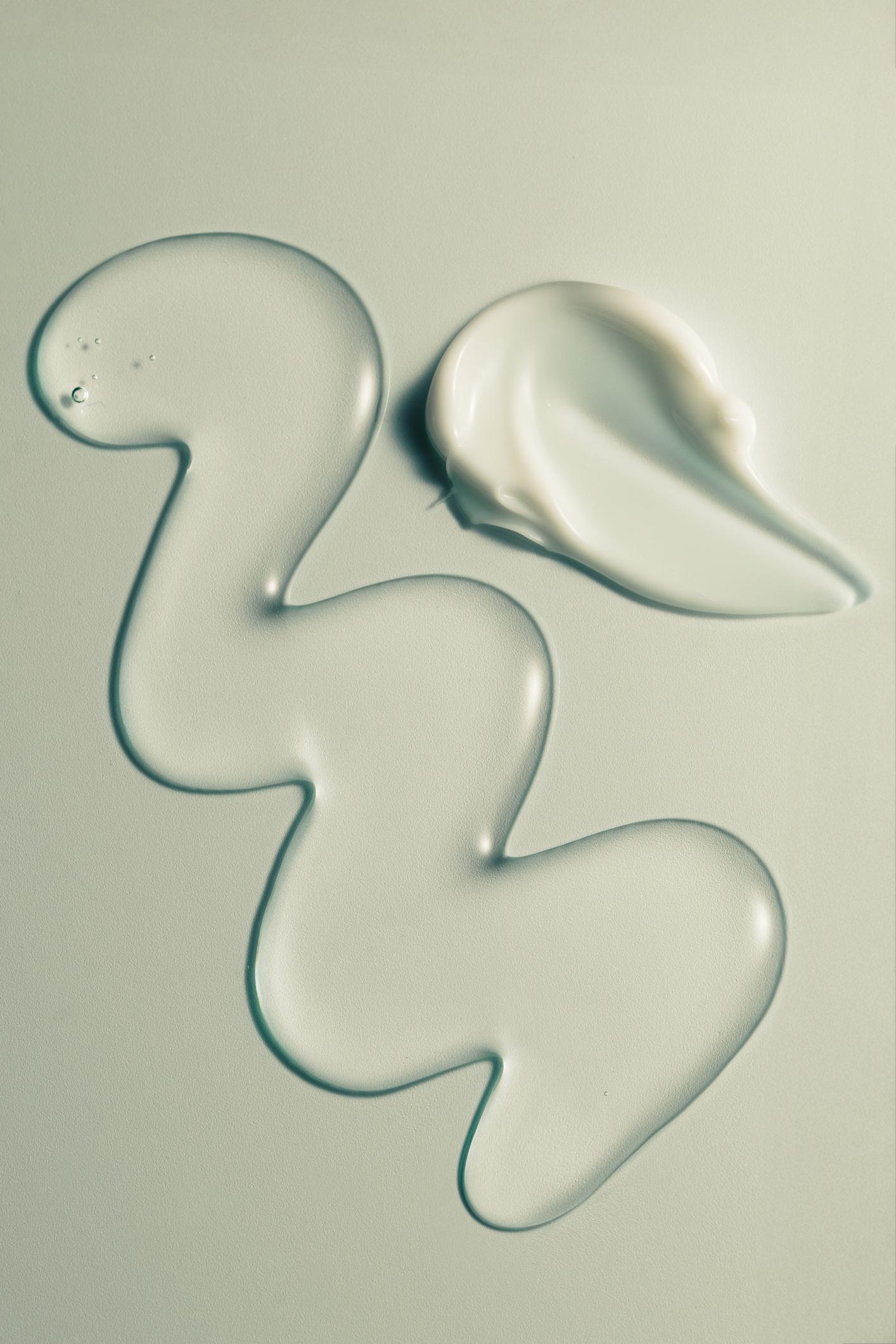
If your skin has ever felt tight, reactive, or flaky after trying a new product, you already know how fragile the skin barrier can be. Good news: you don’t need to buy expensive clinical creams to support repair. Carefully chosen, gentle drugstore products can provide the key building blocks for recovery — hydration, ceramides, non-irritating humectants, and protective occlusives.
Below I’ve curated practical, low-fuss options that are easy to find and friendly for damaged or sensitive skin. I also highlight a few options that fit into barrier-supportive routines without over-driving actives.
How to evaluate a “barrier-protecting” drugstore product
Look for these ingredient functions (not hype words):
- Humectants — hyaluronic acid, glycerin: draw and retain water in the skin. (e.g., Neutrogena Hydro Boost). Neutrogena.
- Ceramides & lipids — the structural lipids your stratum corneum needs (e.g., CeraVe products). CeraVe.
- Occlusives — petrolatum, dimethicone: seal moisture in while barrier repairs. (Common in richer creams like CeraVe and Vanicream.)
- Minimal irritants — fragrance, essential oils, and some plant extracts are common culprits. Choose fragrance-free options if your barrier is compromised. (Vanicream focuses on avoiding common irritants.) Vanicream.
When the barrier is impaired, the priority is repair-friendly ingredients and avoiding unnecessary actives (high % acids, potent retinols, high concentration vitamin C serums) until tolerance is restored.
Quick routine blueprint (for an irritated / over-treated barrier)

- Cleanse: gentle, non-foaming or creamy cleanser (avoid daily acids).
- Hydrate: lightweight humectant serum (hyaluronic acid) if tolerated. (Optional.)
- Repair moisturizer: ceramide + occlusive cream morning & night.
- Spot actives: if using retinol or vitamin C, use the lowest effective frequency and buffer with moisturizer. (More on retinol below.)
- Sunscreen (AM): non-irritating mineral or gentle chemical SPF.
Drugstore products that actually protect the skin barrier — our picks
This article may contain affiliate links. If you choose to purchase through these links, I may earn a small commission at no additional cost to you. Products are recommended based on formulation and how well they align with barrier-first principles.
1. Daily foundation for repair: CeraVe Moisturizing Cream
A rich, no-fuss cream formulated with three essential ceramides, hyaluronic acid, and petrolatum to lock in moisture — a classic first choice for compromised skin because it supplies lipids and an occlusive in one jar. Perfect for face and body on dry or irritated skin. CeraVe.
Why this helps: replenishes structural lipids and prevents transepidermal water loss (TEWL). Use AM/PM; apply to damp skin after light hydration for best results.
2. Lightweight hydrator: Neutrogena Hydro Boost Water Gel (Fragrance-Free)
This gel moisturizer provides hyaluronic acid–based hydration without heavy oils or fragrances — useful when you want hydration that feels light but still supports barrier function. Great under sunscreen or makeup. Neutrogena.
Pro tip: If the skin feels very dry, layer a richer cream (like CeraVe) over the gel at night.
3. Sensitive skin staple: Vanicream Moisturizing Cream
Formulated to avoid common irritants (fragrance, lanolin, parabens), Vanicream is often recommended for eczema-prone or highly reactive skin and has the National Eczema Association seal. It’s minimal, effective, and reliably gentle. Vanicream.
Why pick it: If you suspect fragrance or botanical extracts are part of the irritation, this is an excellent neutral base.
4. Soothing multi-use balm: La Roche-Posay Cicaplast Balm B5
A multipurpose balm that soothes and provides a protective layer for irritated areas; often used post-procedurally or on chapped patches. It’s tactilely satisfying and calming. La Roche-Posay.
Use: spot-treat cracked or very dry patches, or apply thinly overnight.
5. Barrier-conscious retinol option (drugstore): RoC Retinol Correxion Deep Wrinkle Serum
If you’re using retinol but worried about irritation, choose a formulation designed with skin tolerance in mind and introduce slowly. RoC’s Retinol Correxion serums are a long-standing, widely available option and include formulations intended to minimize irritation while delivering retinoid benefits. RoC Skincare.
How to use safely: start with every-third-night application, pair with a moisturizing cream buffer, and pause if flaking or redness increases. Consider waiting until the barrier is repaired before reintroducing daily use.
6. Extra: Hydration + barrier boost with SPF
If you want a single AM product that hydrates and protects, look for lightweight SPF formulas that are fragrance-free and non-comedogenic. Many pharmacy brands offer gentler SPFs; if you have sensitive skin, choose mineral or dermatologist-tested chemical sunscreens.
Practical pairing suggestions (realistic combos)
- Minimalist repair (very reactive): Vanicream AM/PM + mineral SPF in AM.
- Daily lightweight (combination skin): Neutrogena Hydro Boost AM + CeraVe Moisturizing Cream PM.
- Retinol starter: RoC Retinol Correxion every third night + CeraVe or Vanicream buffer on application nights.
A few notes on ingredients to avoid while repairing
- High-strength AHAs/BHAs used daily (hold off until barrier heals).
- Fragrance and heavy essential oil blends.
- Layering multiple active serums (e.g., vitamin C + retinol + acids) until tolerance returns.
How to introduce products without setbacks
- Patch-test new items for 48–72 hours.
- Add one product at a time and wait ~1–2 weeks before introducing the next.
- If you plan to use retinol, rehydrate the barrier first for 2–4 weeks with ceramide + occlusive moisturizers.
- If irritation occurs: scale back frequency, use plain moisturizer more often, and consult a clinician if symptoms worsen.
Final thoughts
Repairing a compromised barrier is slow work, but it’s also the most reliable route to better skin long-term. Drugstore products — when chosen for function, not marketing — give you the tools you need: humectants for hydration, ceramides for structure, occlusives to lock moisture in, and gentle formulations that avoid irritation. Start simple, be consistent, and use actives with intention.
Leave a Reply